Central Shockwave Therapy Clinic, 12 Park Road, Coventry, CV1 2LD
Shoaib Akhtar, known worldwide as one of the fastest bowlers in cricket history, built his reputation on explosive pace and an exceptionally demanding bowling action. That speed, however, came with a cost. Over the years he openly discussed a series of chronic musculoskeletal problems that ultimately limited his career and required major medical interventions.
This blog explores his injuries and how shockwave therapy could have supported his rehabilitation and long-term musculoskeletal health.
Chronic Knee Problems
Fast bowling places repeated high-impact forces through the knees, particularly in the front leg that braces at delivery. For Shoaib Akhtar, these forces accumulated over time.
What He Experienced
Severe wear and tear from years of extreme pace
Multiple knee surgeries during his career
Eventually required bilateral knee replacements
How Shockwave Therapy Could Have Helped
Shockwave therapy is often used for chronic tendon pain, joint loading issues, and degenerative changes around the knee. It can:
Support healing of irritated patellar and quadriceps tendons
Improve circulation and tissue regeneration
Reduce pain linked to long-term overload
Help maintain mobility between high-intensity training phases
While it cannot reverse severe cartilage loss, regular treatment earlier in his career may have helped control inflammation, delay degeneration, and improve post-surgical recovery.
Back Problems
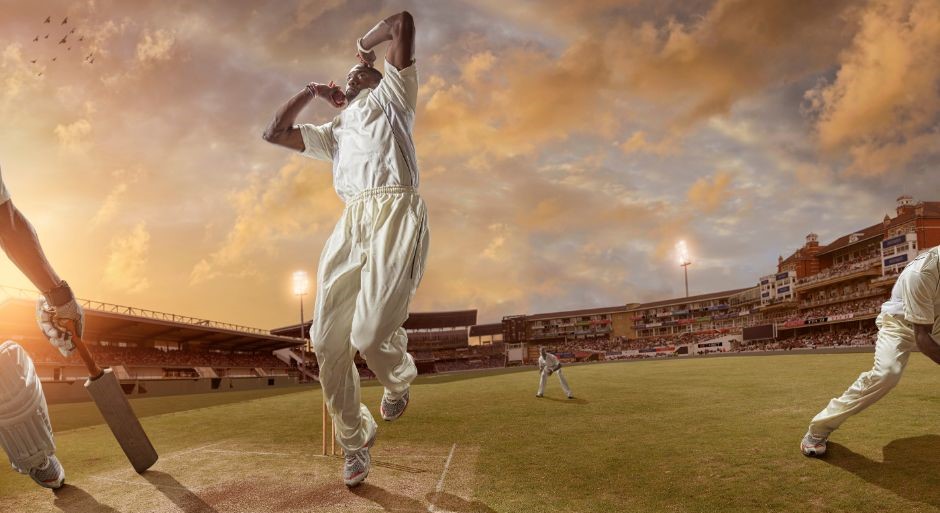
Fast bowlers commonly struggle with lower back strain due to the rotational power required in the delivery stride. Shoaib Akhtar’s action generated extreme speed, which amplified spinal loading.
What He Experienced
A long history of lower back pain
Stress-related spinal strain from repeated explosive movements
Impact forces travelling from the feet through the pelvis to the spine
How Shockwave Therapy Could Have Helped
For chronic back pain, shockwave therapy can:
Reduce tension in surrounding muscle groups
Improve blood flow to deep spinal tissues
Support the healing of stress-related muscular and ligament injuries
Help manage persistent pain associated with high-impact sports
Combined with physiotherapy and core strengthening, it could have eased flare-ups and improved his functional movement patterns.
Ankle and Hamstring Injuries
Fast bowlers rely on rapid acceleration, abrupt stopping, and powerful hip extension. This combination puts the lower limbs under intense strain.
What He Experienced
Recurrent ankle strains
Repeated hamstring issues, especially during periods of heavy match schedules
High risk due to explosive run-ups and rapid changes in force
How Shockwave Therapy Could Have Helped
Shockwave therapy is widely used for tendon and muscle injuries, particularly in athletes. It can:
Stimulate repair in strained hamstrings
Improve tissue elasticity and resilience
Support recovery of ligaments around the ankle
Reduce the risk of reinjury by improving tendon loading capacity
These benefits would have aligned well with the demands of elite-level fast bowling.
Supporting Musculoskeletal Health at Central Shockwave Therapy Clinic
At Central Shockwave Therapy Clinic, 12 Park Road, Coventry, CV1 2LD, we regularly see patients with similar long-term musculoskeletal conditions, even if they are not elite athletes. Shockwave therapy offers a non-invasive option that supports healing, reduces chronic pain, and enhances tissue function.
From knee degeneration to back strain and lower limb overuse, the same principles apply to both professional sports injuries and everyday musculoskeletal problems.
If you are experiencing persistent joint or soft tissue issues similar to those faced by Shoaib Akhtar, our clinic is here to help you move with greater comfort and confidence.